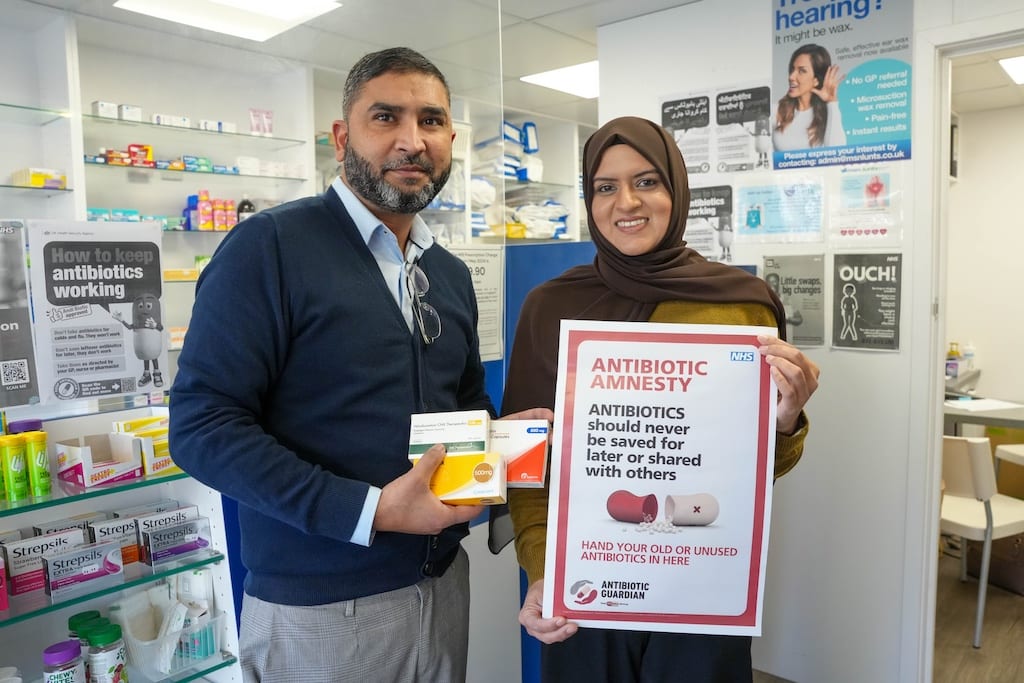
People in Wolverhampton are being asked to check their medicine cabinets and return any unused or expired antibiotics to their local pharmacy, as part of a national amnesty.
The campaign is part of World Antimicrobial Awareness Week, which runs until Tuesday (24 November 2026) and aims to tackle the issue of antimicrobial resistance.
When antibiotics are used the wrong way, like not finishing a prescribed course or taking tablets leftover from a previous illness, bacteria can become resistant to them. This means that antibiotics stop working properly and infections become harder – or even impossible – to treat.
If resistance continues to grow, common infections could become life-threatening, routine surgeries and treatments like chemotherapy could become much riskier, and more people could get seriously ill or die from infections that were once easy to treat.
Even throwing antibiotics in the bin or down the sink can cause problems, as they can end up in the environment and contribute to antimicrobial resistance.
New national surveillance data from the UK Health Security Agency (UKHSA) shows antibiotic-resistant infections continue to rise, with an average of 406 cases reported every week in England during 2025. Older people and those living in more deprived communities are disproportionately affected, underlining the importance of using antibiotics responsibly and preventing infections wherever possible.
Councillor Obaida Ahmed, the City of Wolverhampton Council's Cabinet Member for Health, Wellbeing and Community, said: "We need everyone to do their bit in the fight to keep antibiotics working – whether they are patients, the public, or healthcare professionals.
"Returning unused or expired antibiotics to pharmacies plays a vital role in tackling antimicrobial resistance, which reduces the effectiveness of these medicines over time.
“This is a simple action that benefits everyone, and so we’re encouraging residents to return any leftover antibiotics to their local pharmacy – not just during World Antimicrobial Awareness Week, but throughout the year.”
She added: “It’s also important to remember that antibiotics must be used responsibly – you should only take them when advised to do so by a healthcare professional, and please complete the full course of any prescription you are given. Also remember that you should never dispose of antibiotics in the bin, or by flushing them down the toilet or sink.”
Sarah Smith, UKHSA Consultant in Health Protection, added: “Antimicrobial resistance is a global health emergency, and we all have a part to play to keep antibiotics working.”
To find out more about World Antimicrobial Awareness Week, please visit https://www.who.int/campaigns/world-amr-awareness-week/2026.
 Two men charged with murder over fatal shooting of Wolverhampton father
 Cabinet backs Bilston Community Diagnostic Centre plans
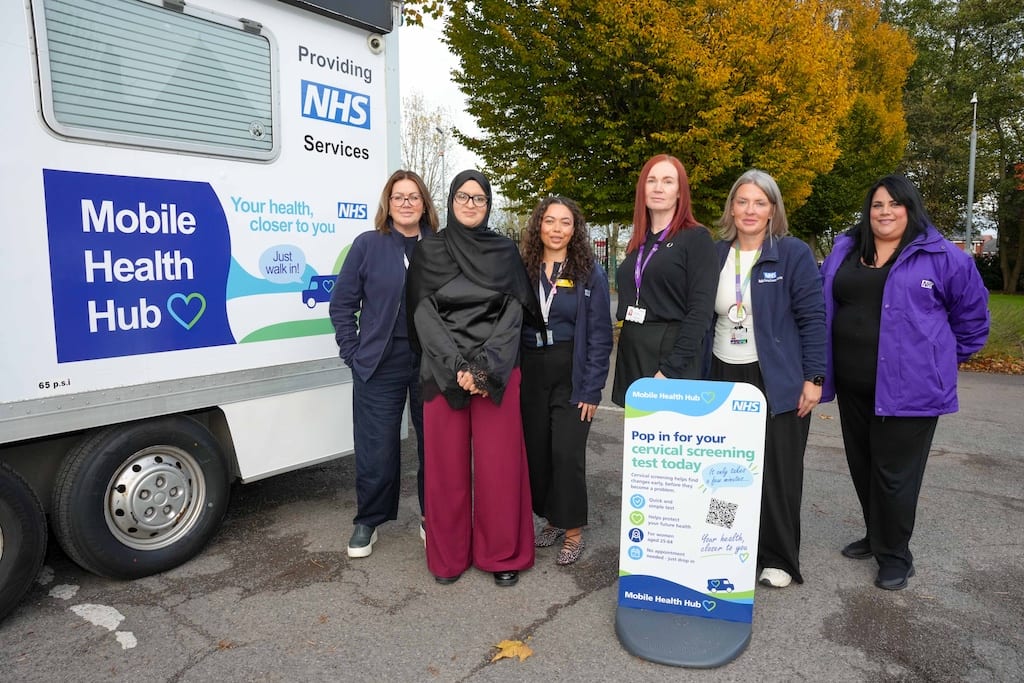 Cervical cancer screening hub to return after successful visit
 Council unwraps free festive parking offer
 Major works completed to boost Wednesfield High Street and businesses